

Facts About White-tailed Deer and Deer Management
Following are some important facts about deer and deer management in Connecticut:
- In a healthy population, some female deer can breed as fawns (6-7 months of age) and produce young at 1 year of age.
- On average, healthy adult does produce 2 fawns annually.
- Deer can live up to 18 years of age.
- Deer populations can double in size every 2-3 years.
- Deer eat about 5-10 pounds of food daily.
- A minimum of 1,500 and up to 7,500 deer vehicle accidents occur annually in Connecticut.
- Deer home ranges are relatively small in urban areas (100 to 300 acres).
- Since 1991, an average of 2,500 cases of Lyme disease were reported in Connecticut each year.
- High rates of Lyme disease are correlated with high deer populations.
- Current birth control practices are costly and ineffective in controlling free-ranging deer populations over a large area.
- Fencing and repellents are limited in application, costly, and have varying degrees of effectiveness.
- Sharpshooting has been effective on a small scale but is costly. In Connecticut, sharpshooting can only be conducted by municipalities, homeowner associations, and non-profit land holding organizations experiencing significant impacts from deer and requires a permit from the DEEP.
- Hunters can assist landowners at no cost.
- Landowners who allow the use of their property without fee are protected from liability.
- Hunters can impact the deer herd at a local level, and sustained hunting can regulate population growth.
- Hunting in Connecticut deer management zones 11 and 12 (Figure 3) is permitted from September 15 through January 31. Unlimited antlerless deer tags are available, hunting over bait is allowed, and hunters can earn a buck tag for every 3 antlerless deer harvested.
- No minimum acreage is required to hunt with a shotgun or archery equipment.
- Written landowner permission is required for all deer hunters on private land.
- Deer hunters cannot carry a loaded firearm within 500 feet of an occupied dwelling.
- Homeowners can waive the 500-foot restriction for firearms hunting.
- No minimum distance from an occupied dwelling is required for bowhunters.
- Landowners can impose additional hunting restrictions on their property.
- Controlled hunts have safely and effectively reduced deer populations in urban and suburban areas in Connecticut.
- Hunting is safe, effective, practical, and the most efficient management tool available today (Figure 38).
- All deer management programs require long-term maintenance.
- Typically, the removal of 1 adult doe during the hunting season equates to 3 less deer the following spring (adult does typically produce twins the following spring).
- Town ordinances cannot prohibit or regulate the legal act of hunting on private or state land.
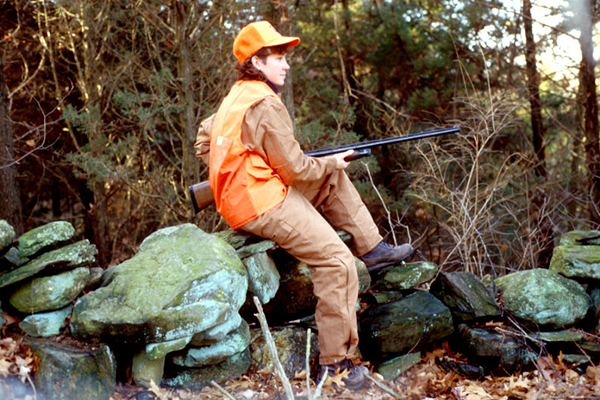
Figure 38. Hunting is the most cost-effective management tool used by all state wildlife agencies to manage free-ranging deer populations.
Chapter 9: Developing an Urban Deer Management Plan
Content last updated in August 2026.