

Consequences of Deer Overabundance
Deer-vehicle Accidents
Nationwide deer-vehicle accidents (DVA) cause about 29,000 human injuries, 200 human fatalities, and $1 billion in property damage annually.(11, 12) The Connecticut Department of Energy and Environmental Protection (DEEP) and the Connecticut Department of Transportation (DOT) collect reports from law enforcement officers of deer hit on Connecticut roadways annually. However, many DVAs go unreported, including those where deer survive or die away from the road (Figure 2). Based on deer carcass removal data, for every dead deer picked up off the road and reported, 5 additional deer may go unreported.(37) In 2022, about 1,500 DVAs were reported to the DEEP and DOT. The total number of deer actually struck by motor vehicles and not reported or whose fate is unknown (some may survive, and some may die away from the road) is much higher. Therefore, about 7,500 deer may actually be struck along Connecticut’s roadways each year (20 deer per day). Using an average repair cost for DVAs of $2,103,(46) over $15 million in damage could be caused by DVAs in Connecticut annually. Approximately 6-7% of accidents in Connecticut involving a deer results in human injuries based on reports, while 5 human fatalities have occurred from DVAs between 2014 and 2023.(10)
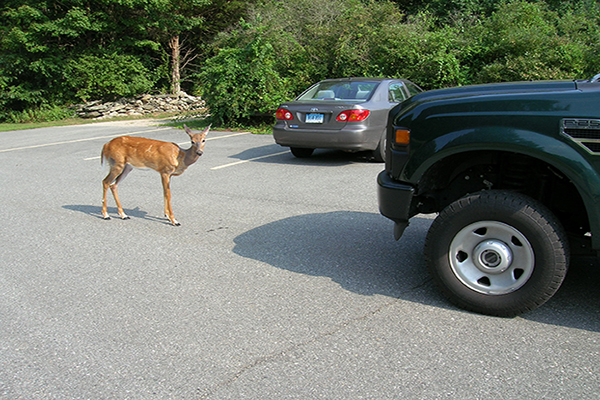
Figure 2. Many accidents go unreported, especially when deer survive or die away from the road.
Tick Diseases
Another issue associated with deer overabundance is the increased risk of contracting tick- borne diseases, such as Lyme disease. Caution should be used when walking in brushy areas and also areas with a lot of leaf litter where black-legged ticks/deer ticks are most abundant (Figure 3). From 1991-2023, an average of 2,403 human cases of Lyme disease were reported annually in Connecticut.(2, 8) Other tick-borne diseases, such as babesiosis, ehrlichiosis, and anaplasmosis, have become more common in the United States (3, 9) and in Connecticut, as well.
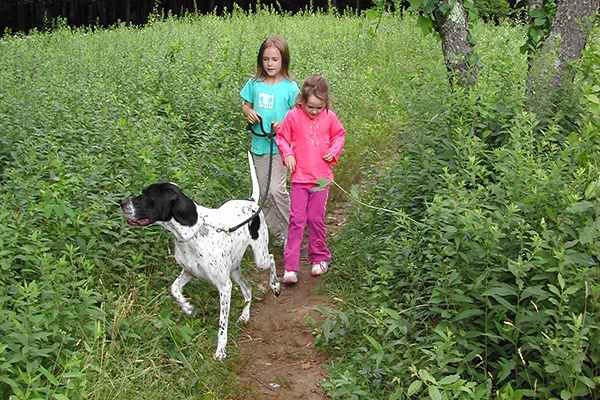
Figure 3. Caution should be used when walking in brushy areas with leaf litter where ticks are most abundant. From 1991-2023, 2,403 human cases of Lyme disease/year were reported in Connecticut.
Babesiosis, ehrlichiosis, and anaplasmosis were first documented in Connecticut in the early 1990s.(9) Babesiosis is the second most commonly reported tick-borne disease in Connecticut. From 2011-2023, babesiosis averaged 219 cases per year.(10) From 2011-2023, anaplasmosis averaged 104 cases per year.(10) From 2011-2023, ehrlichiosis has been documented 8 times.(10)
More recent years have seen the arrival of the southeastern lone star tick, which was documented in Fairfield County in 2017. Although lone star ticks do not transmit the pathogens that cause Lyme disease, they do transmit ehrlichiosis, and a bite from a lone star tick may produce an allergic response that causes an allergy to red meat.
Deer are the primary host for the adult deer tick and lone star tick and are key to the reproductive success of the ticks (Figure 4).(48) Numerous studies have shown that abundance and distribution of ticks are correlated with deer densities.(33, 46, 48, 50, 51, 55)
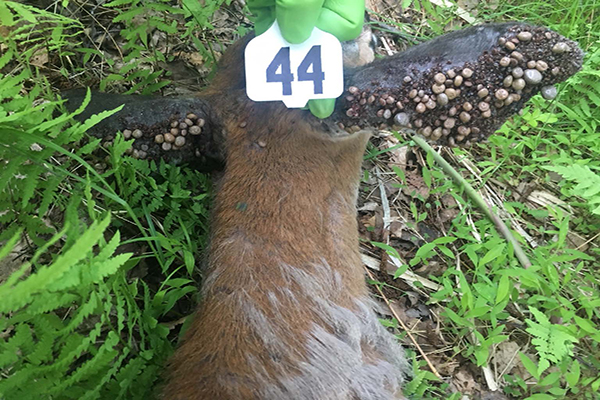
Figure 4. Deer are the primary host for the adult deer tick and the lone star tick, and are key to the reproductive success of ticks.
For example, when the deer population was reduced by 74% (from 249 to 64 deer per square mile) at a 248-acre study site in Bridgeport, Connecticut, the number of nymphal ticks collected (Figure 5) at the site decreased by 92%(48, 49) (Figure 6). On Monhegan Island in Maine, where the deer population was eliminated, tick abundance was significantly reduced, as was the infection rate of remaining ticks 3 years later.(46)
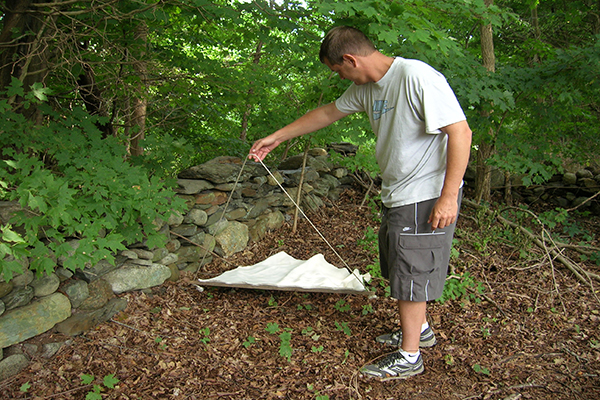
Figure 5. Tick estimates are based on tick drags conducted annually on the same properties.

Figure 6. Changes in deer and nymphal tick densities in Bridgeport, Connecticut, 1999-2002. (47)
Although the threshold at which deer densities need to be reduced to document a significant reduction in transmission rates of Lyme disease to humans is unknown, the relationship between deer abundance and human cases of Lyme disease was well documented in the Mumford Cove community in Groton, Connecticut, from 1996-2007. The deer population in Mumford Cove was reduced from about 77 deer per square mile (pre-hunt) to about 10 deer per square mile after 2 years of controlled hunting.(33) After the initial reduction, the deer population was maintained at low levels using bowhunters. Incidences of Lyme disease among residents decreased 83% and remained at low levels (Figure 7).
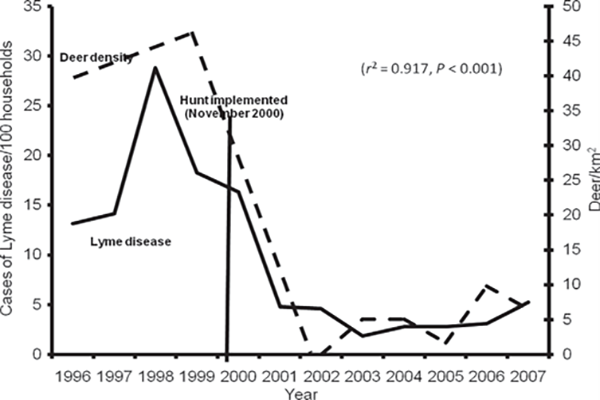
Figure 7. Changes in deer deer density and cases of Lyme disease in Mumford Cove, Connecticut, 1996-2007. (32)
Reducing deer densities to 10 deer per square mile (approximately 5 deer per square kilometer) was adequate to significantly reduce the risk of humans contracting Lyme disease in Mumford Cove. Deer population management must serve as the main tool in any long- term strategy to reduce human incidences of Lyme disease.(51) Utilizing repellents, avoiding brushy areas, and checking for and immediately removing ticks are the most important and effective methods for preventing tick disease transfer to humans.
Ecological Damage
Overabundant deer populations also negatively impact native plant communities(4) and landscape plantings in residential areas.(28, 36) Because deer can eat 5 to 10 pounds of forage per day, overabundant deer herds can eliminate native plant species and change the structure and diversity of plant communities. Changes in the structure and diversity of plant communities affect the diversity and abundance of other wildlife species, such as small mammals and birds.(17, 42) Deer densities that exceed 20 deer per square mile can significantly impact ground and shrub nesting birds and change composition and abundance of plant species within forest ecosystems.(17, 42)
Bluff Point Coastal Reserve in Groton, Connecticut, serves as a good example of how overabundant deer herds can impact plant communities. In 1975, the Connecticut General Assembly designated Bluff Point as a Coastal Reserve to protect its unique plant and animal communities for the benefit of present and future generations. Deer hunting was not permitted at Bluff Point. In the late 1980s, the DEEP documented severe deer overbrowsing of vegetation, and in the mid-1990s, surveys estimated the deer population exceeded 200 deer per square mile. Deer exclosures (8-foot-high fenced areas) were constructed in 1990 to visually document the impacts of overabundant deer populations on the plant ecosystem (Figure 8). After 5 years of no deer management (1995), vegetation outside the exclosure remained unchanged, while vegetation structure and diversity within the deer exclosure increased dramatically (Figure 9). In January 1996, a deer reduction program was initiated at Bluff Point. During the following 5-year period (1996-2001), the deer population was reduced from about 222 to 20 deer per square mile. The reduced deer population resulted in a significant increase in vegetation structure and diversity outside the deer exclosure (Figure 10).
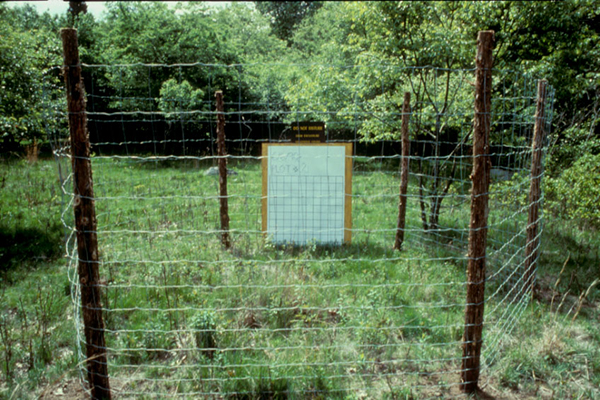
Figure 8. Deer exclosures (fenced area) were constructed at Bluff Point Coastal Reserve in 1990 to visually document the impacts of the deer population (220 deer/mi2) on the ecosystem.
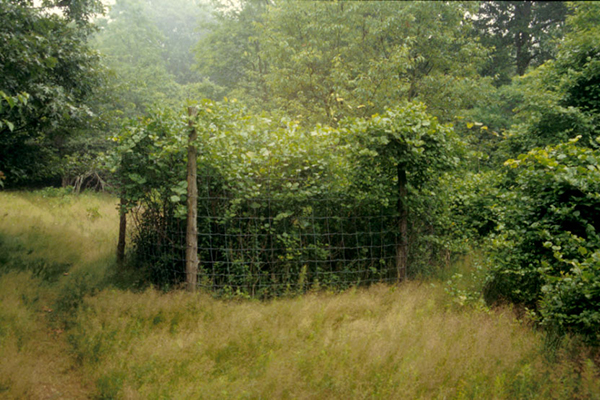
Figure 9. After 5 years of no deer management (1995), vegetation outside the exclosure at Bluff Point remained unchanged, while vegetation inside the exclosure increased.
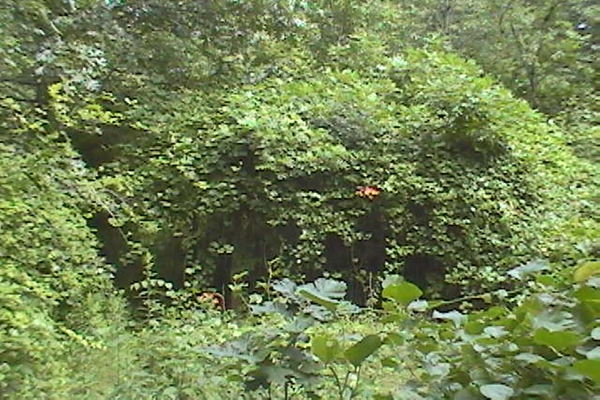
Figure 10. After 5 years of implementing a deer management program at Bluff Point (2001), the vegetation structure and diversity increased dramatically inside and outside the deer exclosure.
Another example of deer severely impacting vegetation was seen at Metropolitan District Commission (MDC) Nepaug Reservoir in New Hartford. Approximately 20 acres were clearcut to release new seedlings. However, 2 years following the cut, the landscape was nearly barren of live vegetation. The MDC erected a 30-foot by 30-foot exclosure in 2006 and, in conjunction with the DEEP, a browse survey revealed a 95% browse rate on all hardwood regeneration outside the exclosure in 2008. After two growing seasons, a drastic difference could be seen among vegetation growth between the two areas (Figure 11). The first year of a long-term deer reduction program was initiated in 2009 following the browse survey work. After five years of hunting at the MDC property, vegetation outside the exclosure was similar to the vegetation within (Figure 12).
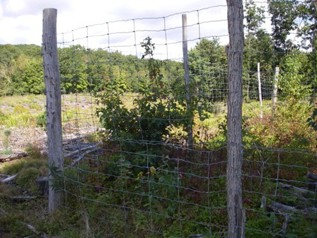
Figure 11. After two years of no deer management (2008), vegetation outside the exclosure at MDC remained unchanged, while vegetation inside increased.
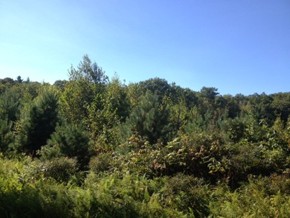
Figure 12. After 5 years of implementing a deer management program at MDC (2013), the vegetation, structure, and diversity increased dramatically.
In residential areas, overabundant deer herds can impact flower and vegetable gardens and defoliate landscape plantings. Some homeowners who enjoy observing deer occasionally feed deer during winter. Deer also take advantage of bird feeders in residential areas as a source of food during winter (Figure 13).(34) Supplemental feed may enhance deer productivity and artificially congregate deer into small areas, which increases damage to natural vegetation(19) and the potential of bringing ticks into residential areas.
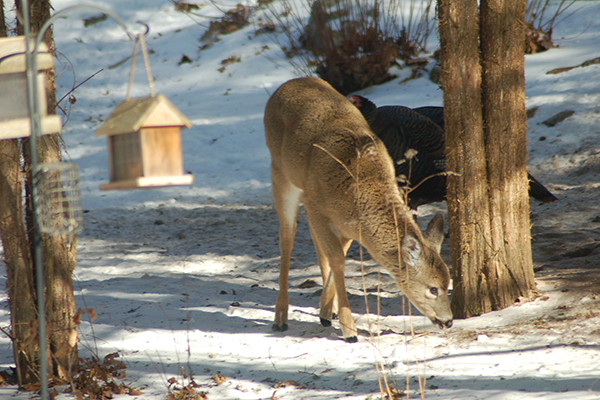
Figure 13. Supplemental feed may enhance deer productivity and artificially congregate deer into small areas, increasing damage to natural vegetation and the potential of bringing ticks into residential areas.
Chapter 3: Non-lethal Management Options
Content last updated in August 2026.