

Examples of Special Deer Reduction Programs in Connecticut
Cooperative deer hunts have been designed specifically for communities and conservation organizations to reduce deer populations while addressing safety concerns of residents. The following case studies illustrate hunt programs designed for sensitive areas or residential communities in Connecticut. These customized hunts have successfully and safely reduced deer populations with minimal impact to existing users of the properties.
Devils Den (2001-present): Over a 15-year period, the director of the Connecticut Chapter of The Nature Conservancy’s (TNC) Devil’s Den Preserve observed the gradual loss of native flowering plants, such as pink lady slipper and red trillium, throughout the Preserve except on inaccessible ledge sites. Many tree species, especially oaks, were unable to regenerate because deer consumed acorns and saplings. Because deer at Devil’s Den were having a long-term deleterious effect on the Preserve’s forest ecology, TNC initiated an annual controlled deer management program during the shotgun/rifle hunting season in 2001.
The DEEP Wildlife Division provided technical assistance to initiate the management program. On average, hunters have harvested approximately 24 deer a year and no hunting accidents have occurred. Damage to the ecosystem caused by deer can take years to recover; however, reemergence of some wildflowers, shrubs, and oak seedlings has been observed since the deer management program was implemented.
Greenwich Audubon (2003-present): In 2003, a deer management program was implemented on portions of the Audubon property in Greenwich to reduce the local deer population that was impacting native flora and fauna. The program uses archery hunters from a local sportsmen’s club (Figure 36). Hunting was limited to specific days and specific time periods. During the first year of the hunt, 16 hunters harvested 31 deer from the 285-acre sanctuary, reducing deer densities by about 50%. In 2004, an additional 135 acres were opened up for hunting. In 2004 and 2005, a total of 25 and 19 deer respectively were removed from Audubon properties in Greenwich. Hunting still continues today, and, on average, hunters harvest about 20 deer a year and no hunting accidents have occurred.
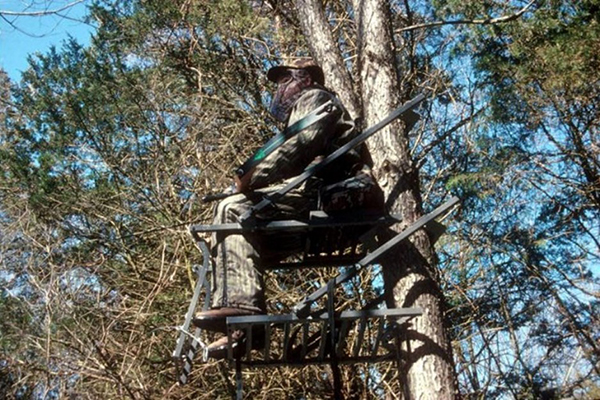
Figure 36. Archery hunting may be preferred method selected by homeowners in urban areas due to its quiet nature.
Mansfield Hollow (2002-2003): In 2002 and 2003, a deer management program was implemented in Windham on the Army Corps of Engineers Mansfield Hollow property to reduce the local deer population, which was impacting a scrub oak and pitch pine barren ecosystem. This ecosystem provides critical habitat for several rare and endangered species of moths and butterflies. Licensed hunters were used to remove deer on 6 days during the 3-week shotgun deer hunting season. Hunters were required to be graduates of the DEEP hunter safety course, pass a shooting proficiency test, and attend a mandatory orientation meeting. Over a 2-year period, 30 deer were removed from approximately 100 acres, reducing deer densities by about 83%. A larger area of state land adjacent to the area was opened up as archery only the following year. On average, archers have been harvesting 14 deer a year.
Mumford Cove and Groton Long Point (1996-2007): Mumford Cove and Groton Long Point are adjacent communities in southeastern Connecticut that voted to implement deer management programs in cooperation with the DEEP Wildlife Division to significantly reduce the resident deer population. The Division assisted the Mumford Cove Deer Committee in designing a safe and effective hunt for both communities. In 1996 and 1997, an archery hunt was conducted in Groton Long Point due to limited areas where firearms could be used and the quiet nature of bowhunting. During a 9-week period, 50% of the deer population was removed.(37) After the hunt, few residents experienced damage to landscape plantings and those experiencing damage indicated damage was less severe than before the hunt.(37)
In 2000, a combined shotgun-archery hunt was conducted in Mumford Cove. Thirty-nine residents were approached by the Mumford Cove Wildlife Management Committee, comprised of residents, and agreed to waive the 500-foot firearms discharge restriction to increase the amount of land available to firearms hunters. Hunters were assigned to elevated tree stands and distributed at a density of 1 hunter per 2.5 acres. In 6 days, 92% of the deer population was removed.(32) A post-hunt survey indicated that residents were satisfied with the success of the hunt, observed fewer deer in the community, and reported less damage to plantings.(29, 32) In addition, the number of residents who contracted Lyme disease in the community was greatly reduced in subsequent years (from 30 cases per year to 3 to 5 cases per year).(33)
In 2001, Mumford Cove and Groton Long Point conducted a joint shotgun-archery deer hunt to increase the area open to hunting and target all deer impacting both communities. During the 3-day hunt, 82% of the deer population was removed.(7) From 2001 to 2007, a few bowhunters using bait maintained the deer population at low levels by removing deer during the archery season. Opinion surveys conducted in the community have shown that the frequency of daily deer sightings in the community decreased from 79% before deer management activities were initiated to only 1% after deer management activities were completed. Residents strongly supported hunting to control the deer population in their community.
Chapter 7: Examples of Local Deer Reduction Efforts by Municipalities
Content last updated in August 2026.