

Materials, Energy and Transportation
Waste Diversion Electricity Zero-Carbon Energy Solar PV
Transportation


The number of electric drive vehicles (EVs)* registered in the state increased by 16,176 from 2023 to 2024; however, the number of registered EVs represents approximately 5.5 percent of registered passenger vehicles and only 2.2 percent of all registered vehicles in the state.91 Significant reductions of GHG emissions in the transportation sector are necessary and achievable by reducing the combustion of fossil fuels through increased fuel efficiency, use of mass transit, and use of EVs that operate on “clean” electricity or “green” hydrogen.
To support the projected adoption and use of EVs, electricity consumption is projected to increase by more than 2,600 gigawatt-hours, and winter peak demand is projected to increase by approximately 570 megawatts by 2033. 92
In 2024, the Connecticut Department of Transportation (CTDOT) had nine EVs/hybrid vehicles and 41 electric buses, and the Connecticut Department of Administrative Services (DAS) had 43 EVs (including 19 EVs leased to the CTDOT), which represents approximately 1.2 percent of the DAS vehicle fleet. There was no increase in the number of EV leases by the DAS in 2024.93
Goal: There is a 2020 goal for 125,000 EVs in Connecticut by 2025.94 Public Act 22-25 requires that an increasing percentage of all cars and light duty trucks purchased or leased by the state be battery electric vehicles, increasing to at least 50 percent by 2026, at least 75 percent by 2028, and 100 percent by 2030.
Technical Note: *Electric drive vehicles (EVs) include plug-in hybrid electric (PHEV), battery electric (BEV), electric motorcycles, and fuel cell electric (FCEV) vehicles. Electric motorcycles and fuel cell electric vehicles are included in the “Grand Total” of EVs registered in the state, but are not depicted on the chart.
Transportation Fuels:
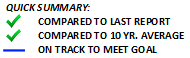
In 2023, (the most recent available data) the sale of gasoline/gasohol in the transportation sector was approximately the same as the previous ten-year average; the sale of special fuels, which is primarily comprised of diesel, was 0.9 percent higher than the previous ten-year average;95 and the sale of aviation fuels was approximately 7.4 percent lower than the previous ten-year average.96 Overall, the sale of transportation fuel in 2023 was 2.7 percent lower than the previous year and 0.3 percent lower than the previous ten-year average. The effect of the pandemic is evident based on the decline of transportation fuel sold in the state in 2020 and 2021.
Ridership:
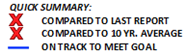
In fiscal year (FY) 2024, total ridership (33 million passenger trips) on fixed route, commuter, and Americans with Disabilities Act (ADA) transit services decreased from FY 2023 (39 million passenger trips). In FY 2024, the average was nine passenger trips per capita, which is approximately 17 percent less than FY 2023 (10.8), and 13 percent less than the ten-year average (10.3).97
Some reasons for the general decline in ridership in FY 2020 through FY2022, compared to previous years include the impact of COVID 19, alternate work arrangements (teleworking), and the success in ride sharing efforts. The decrease in ridership between FY2023 and FY2024 might be due to the end of the fare free program, which was in effect from April 1, 2022 through March 31, 2023.98
—————
92 ISO-New England, Final 2024 Transportation Electrification Forecast, May 1, 2024; www.iso-ne.com/static-assets/documents/100011/transfx2024_final.pdf.
93 Connecticut Department of Administrative Services (DAS), personal communication from S. McGirr, January 7, 2025, and Connecticut Department of Transportation (CTDOT), personal communication from P. Zelez, January 14, 2025.
94 DEEP, 2020 Electric Vehicle Roadmap for Connecticut, April 21, 2020; portal.ct.gov/DEEP/Climate-Change/EV-Roadmap.
95 United States Department of Transportation (US DOT), Federal Highway Administration, Office of Highway Policy Information, Motor Fuel & Highway Trust Fund; www.fhwa.dot.gov/policyinformation/motorfuelhwy_trustfund.cfm.
96 United State Energy Information Administration (EIA), State Energy Data System (SEDS): 2023 Updates by energy source State Energy Data System, Aviation Gasoline and Jet Fuel consumption estimates, 2023; www.eia.gov/state/seds/seds-data-fuel.php?sid=CT#Petroleum,Tables F1 and F2.
97 CTDOT, Bureau of Public Transportation, Office of Transit & Ridesharing; personal communication from T. Roth; March 17, 2025.
98 CTDOT, CTTransit, Reduced Fares; www.cttransit.com/fares/seniordisabled-reduced-fares/reduced-fares, and CTTransit FAQs- Fares, accessed 3-6-2024; www.cttransit.com/faqs-fares.