

Materials, Energy and Transportation
Waste Diversion Electricity Solar PV Transportation
Zero Carbon Energy
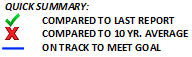
In 2024, 44,190 thousand megawatt-hours (MWh) of electricity was generated in the state by carbon-based fuel/technology (26,345 thousand MWH), and zero-carbon* technology (17,844 thousand MWh).The amount of zero-carbon electricity generated in the state comprised 40.4 percent of the total amount of electricity generated, which was a relative increase of 3.7 percent from 2023 (36.7 percent), but a relative decrease of 4.2 percent from the previous ten-year average (44.6 percent).79 The amount of electricity (MWh) from carbon-based generation increased from 2023 and was 24 percent greater than the previous ten-year average. Including out-of-state generation resources, it is estimated that in 2023 (most recent data available), approximately 57 percent of the electricity supplied to electric customers in the state was from zero carbon resources.80
Zero Carbon Goal - Consumption
On October 27, 2023, DEEP released Requests for Proposals (RFPs) for Offshore Wind Facilities and for Zero Carbon Energy to secure zero carbon resources that could improve the reliability of the region’s electric grid and reduce GHG emissions.81 However, the state chose not to procure any offshore wind capacity from proposals submitted in 2024, and instead selected proposals for 518 MW of new solar generation capacity (of which only 200 MW of capacity would be developed in the state) and 200 MW of energy storage capacity.82 If the new and previous procurements of zero carbon resources are developed, it would eventually increase the amount of zero carbon energy available for the state’s residents and businesses; however, it might still leave the state short of its zero percent GHG emission target by 2040. The shortfall is more likely if existing generation resources/units are retired and/or the projected increases in electric consumption for transportation (~2,600 gigawatt-hours by 2033)83 and thermal (1,228 GWH and a peak winter demand of 609 MW by 2033)84 are accurate. The use of intermittent renewable technologies will also require a significant amount of energy storage and/or upgrades to the electric transmission system.
Goal: Connecticut General Statutes (CGS), Section 16-245a requires that a minimum percentage of electricity, which is sold to Connecticut customers, must be generated from renewable energy sources. CGS, Section 22a-200a(a)(3) requires the reduction of greenhouse gas (GHG) emissions to a level of zero percent from electricity supplied to electric customers in the state by 2040.
Technical Note: *Includes utility scale renewables that generate no carbon and nuclear generation, and it is not the same as Class I or Class 2 renewable sources. Zero carbon generation does not include biomass (wood, municipal solid waste), fuel cells operating on natural gas, biogas, and landfill gas.
—————
79 EIA, Electricity Data Browser, Net Generation for Electric Power, Annual (CT - All Fuels); accessed March 3, 2025; www.eia.gov/electricity/data/browser/#/topic/0?agg=2,0,1&fuel=vtvv&geo=008&sec=008&linechart=ELEC.GEN.ALL-CT-98.A&columnchart=ELEC.GEN.ALL-CT-98.A&map=ELEC.GEN.ALL-CT-98.A&freq=A&ctype=linechart<ype=pin&rtype=s&maptype=0&rse=0&pin=.
80 DEEP, Bureau of Energy and Technology Policy; personal communication from M. Malmrose, March 14, 2025.
81 DEEP, Grid Scale Competitive Procurements; portal.ct.gov/DEEP/Energy/Grid-Scale-Procurements.
82 DEEP, Press Releases, Connecticut Announces Clean Energy Selections, December 20, 2024; portal.ct.gov/deep/news-releases/news-releases---2024/connecticut-announces-clean-energy-selections.
83 ISO-New England, Final 2024 Transportation Electrification Forecast, May 1, 2024; www.iso-ne.com/static-assets/documents/100011/transfx2024_final.pdf.
84 ISO-New England, Final 2024 Heating Electrification Forecast, Slides 18 and 23, April 27, 2024; www.iso-ne.com/static-assets/documents/100010/final-2024-heating-electrification-forecast.pdf.
85 DEEP, Connecticut Renewable Portfolio Standard, accessed 2-18-2025; portal.ct.gov/pura/rps/renewable-portfolio-standards-overview.