

Invasive Disruptors

Invasive species are species that are not native to Connecticut that exhibit an aggressive growth habit and can out-compete and displace native species. It is expected that more invasive species, both plant and animal, will arrive, become established, and flourish as a consequence of the warming climate that is making Connecticut more hospitable to species that do not tolerate cold weather. Further, climate induced stress, rising temperatures, and extreme weather in an ecosystem can facilitate invasive pathways. The adverse impacts of invasive species affect all the state’s ecosystems, including its waterways, natural lands, working lands and developed landscapes. In addition, the economic and human health costs of unchecked invasive species can be high. In 2022, the Council completed an update ("INVASIVES": PREVIOUSLY DESCRIBED and NEWLY ARRIVED) to the Council’s 2002 report, Great Infestations, that included recommendations for the control of invasive species in Connecticut. Preventing invasive species from taking over and disrupting Connecticut’s landscapes and waterways requires advanced planning, vigilance, maintenance, coordination and prioritization of the expenditure of human energy and of public funds. Some examples of invasive species are discussed below but there are many more.
Asian Tiger Mosquitoes67
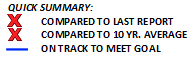
In 2024, a record high number of Asian tiger mosquitoes (ATM) were collected* and this species was detected at the highest number of mosquito trapping sites (56 out of 108). The increase in ATM in 2024 was likely due to mild winter temperatures, which enhanced the overwintering success of ATM eggs, in combination with warm, wet spring conditions. Highest adult collections of ATM were obtained from locations in densely populated urban and suburban communities in Fairfield and New Haven counties, and ATM was observed to spread geographically northward in 2024 than in previous years. Connecticut is expected to get warmer and wetter over the coming century, potentially increasing mosquito populations by creating more suitable habitat. Additional information about mosquito management in Connecticut can be found on the Department of Energy and Environmental Protection’s (DEEP) website or the Connecticut Agricultural Experiment Station (CAES) - portal.ct.gov/CAES.
Invasive Plants:
Pursuant to Public Act 24-11, on or after October 1, 2024, no person shall import, move, sell, purchase, transplant, cultivate or distribute any of the following invasive plants: (A) Porcelain berry (Ampelopsis brevipedunculata), (B) mugwort (Artemisia vulgaris), (C) quackgrass (Elymus repens), (D) Japanese angelica tree (Aralia elata), (E) Japanese wisteria (Wisteria floribunda), and (F) Chinese wisteria (Wisteria sinensis).The new legislation also included a provision that, on or after October 1, 2027, no person shall import, move, sell, purchase, transplant, cultivate or distribute callery pear (Pyrus calleryana).
Hydrilla:
The highly invasive aquatic plant, Hydrilla verticillata, known commonly as 'hydrilla' or 'water thyme' was first detected in the Connecticut River in 2016 around Glastonbury, Connecticut and has since spread into the river’s many coves, tributaries, and boat basins. Hydrilla is an aquatic plant that has earned the title “world’s worst invasive aquatic plant”. The United States Army Corps of Engineers (USACE), New England District and the Engineer Research and Development Center (ERDC) is leading a demonstration project to determine the effectiveness of registered herbicides to safely reduce and control the spread of the Connecticut River hydrilla. Research on hydrilla’s growth patterns, water exchange dynamics in the Connecticut River, and herbicide efficacy in laboratory conditions began in 2023 to guide operational scale field demonstrations of herbicide efficacy. In 2024, permitting was completed and treatments were performed at five demonstration sites on the Connecticut River. In 2025, the USACE might be monitoring treated sites and conducting assessment(s)/treatment of additional sites.68 Additional information about the hydrilla in Connecticut can be found on the CAES website - portal.ct.gov/caes/oais/connecticut-river-project.
Technical Note: *Collection data for mosquitoes for 2016-2018 has been modified from previous reports because of the introduction of new data from a trapping site in Bridgeport. From2010 through 2019, CAES collected mosquitoes at 92 sites statewide, and from 2020 through 2024 the number of collection sites increased to 108 statewide. Information on other invasive species can be found in the Council’s 2022 special report ("INVASIVES": PREVIOUSLY DESCRIBED and NEWLY ARRIVED).
—————
67 Connecticut Agricultural Experiment Station (CAES); personal communication from J. Shepard, November 15, 2024.
68 United States Army Corps of Engineers, New England District Website, Connecticut River Hydrilla Research & Demonstration Project; storymaps.arcgis.com/stories/ac89d2534fa0490db6c8718191411bd1.