

Materials, Energy and Transportation
Waste Diversion Zero-Carbon Energy Solar PV Transportation
Electricity at Home and Work
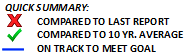

In 2024, the retail sales of electricity by the residential sector increased to 12,975 million kilowatt-hours (KWh) from 12,553 million KWh, an increase of 3.4 percent from 2023 and 1.3 percent from the previous ten-year average (12,810 million KWh).72 The use of fossil fuels for electric generation increases air pollution, especially from less efficient/more polluting units used to meet peak demand. The increase in electricity purchases might be the result of higher-than-normal temperature resulting in more cooling degree days (CDD) and the number of days greater than 90°F (23); increases in electric vehicle registrations; and reductions in annual electricity conservation savings (see below). Typically, the hotter the summer, the more electricity is used by residents to cool their homes, which means more electricity needs to be generated, and more greenhouse gas emissions are potentially released to the environment.
Commercial/Industrial Purchases:

In 2024, Connecticut’s commercial and industrial sectors purchased approximately 14,100 million KWh. The purchase of electricity in the commercial and industrial sectors increased from 2023 levels by 1 percent, but was approximately 7.3 percent less than the previous ten-year average (15,214).73
Electric Conservation:
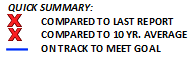
As mentioned above, reducing electricity demand, especially peak demand, is an effective strategy for reducing electricity generation and consumption, and the resultant air emissions from fossil fueled electricity generation. Estimated annual reductions of electricity consumption from efficiency measures in 2024 (106,533 megawatt hours (MWh)) was approximately 35 percent less than in 2023 (164,485 MWh), and 66 percent less than the ten-year average of 315,825 MWh.74 While Connecticut’s energy-efficiency programs have helped small and large businesses, homeowners and renters, and state and local governments better manage their energy use, the expenditure of funds (annual spending) for each MWh of electricity conserved (annual reductions) has increased significantly over the last ten years. The decrease in annual electricity reductions, depicted in the graph above, is mostly due to the lighting market being fully saturated with light-emitting diode (LED) lighting equipment. The result being that conservation measures have shifted to more comprehensive measures, and these measures tend to carry higher costs.75
The Independent System Operator for New England (ISO-NE) estimated that the incremental annual energy reductions, net of embedded expiring measures, is expected to decrease significantly over the next ten years.76 Energy efficiency measures are important because residential and commercial buildings use approximately 74 percent of all electricity and 39 percent of all energy use in the United States. In Connecticut, the approximately 1.4 million households and 140,000 businesses together accounted for more than 70 percent of Connecticut’s 750 trillion British thermal unit (Btu) of annual energy consumption.77 Improving the energy efficiency of buildings is critical to lowering energy costs, strengthening resilience to extreme weather events, improving grid reliability, and making residential and commercial buildings more comfortable and affordable.78
Technical Note: *The vertical axis in the charts above “Electricity Sales: Residential” and “Electricity Sales: Commercial/Industrial” have been shortened, beginning at 5,000 million kWh rather than the customary zero.
—————
73 EIA, Electricity Data Browser, Retail Sales of Electricity, Commercial and Industrial Sector, Accessed March 3, 2025; www.eia.gov/electricity/data/browser/#/topic/5?agg=0,1&geo=008&endsec=m&freq=A&start=2001&end=2022&ctype=linechart<ype=pin&rtype=s&maptype=0&rse=0&pin=
74 Energize Connecticut, Connecticut Statewide Energy Efficiency Dashboard, accessed January 30, 2025; www.ctenergydashboard.com/Public/PublicPerformanceReports.aspx.
75 DEEP, personal communication from Benjamin McMillan, February 4, 2025.
76 ISO-New England, Final 2024 Energy Efficiency Forecast and Appendix (3.1 Average Annual Emissions), April 28, 2024; www.iso-ne.com/static-assets/documents/100010/eef2024_final_4site.pdf
77 DEEP, 2018 Connecticut Comprehensive Energy Strategy, Building Sector; portal.ct.gov/-/media/DEEP/energy/CES/BuildingsSectorpdf.pdf.
78 U.S. Department of Energy (DOE), Office of Energy Efficiency & Renewable Energy Emerging Technologies; www.energy.gov/eere/buildings/emerging-technologies.