


Lyme Disease
Lyme Disease
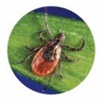
Lyme disease is caused by the bacterium Borrelia burgdorferi. In Connecticut it is spread to people through the bite of an infected Black-legged (“deer”) tick (Ixodes scapularis). It is the most commonly reported tick-borne disease in Connecticut and in the United States. Treatment is available. The best way to prevent Lyme disease is to prevent tick bites.
About Lyme Disease
- CDC: About Lyme Disease
- Chronic Symptoms and Lyme Disease
- Protect Your Pet
- Connecticut's Lyme Disease History
Information for Clinicians
- New Clinical Tools and Resources to Support Patients with Prolonged Symptoms and Concerns about Lyme Disease (CDC Webinar, 2024)
- Clinical Guidance (CDC)
- National Surveillance Case Definition
- Connecticut Provider Reporting Information
- Connecticut Laboratory Reporting Information
- Directory of Clinical Testing Services provided by the State Public Health Laboratory
- State Public Health Laboratory Contacts – for additional information
- Tick-borne Diseases of the United States – a Reference Manual for Healthcare Providers
Connecticut Lyme Disease Surveillance
The Connecticut Department of Public Health (DPH) added Lyme disease to the list of state-wide reportable diseases in 1987. DPH uses the Centers for Disease Control and Prevention surveillance case definition, which was first established in 1995 and last updated in 2022. Since 1995, an average of 2,718 cases (range 1,348 to 4,631) have been reported to the DPH annually. Surveillance for Lyme disease currently includes physician and laboratory reporting. Due to the delay in follow-up, current case counts do not represent all cases of Lyme disease.
Connecticut Annual Infectious Diseases Statistics
Last updated 2/18/2026