

Long Island Sound
Long Island Sound
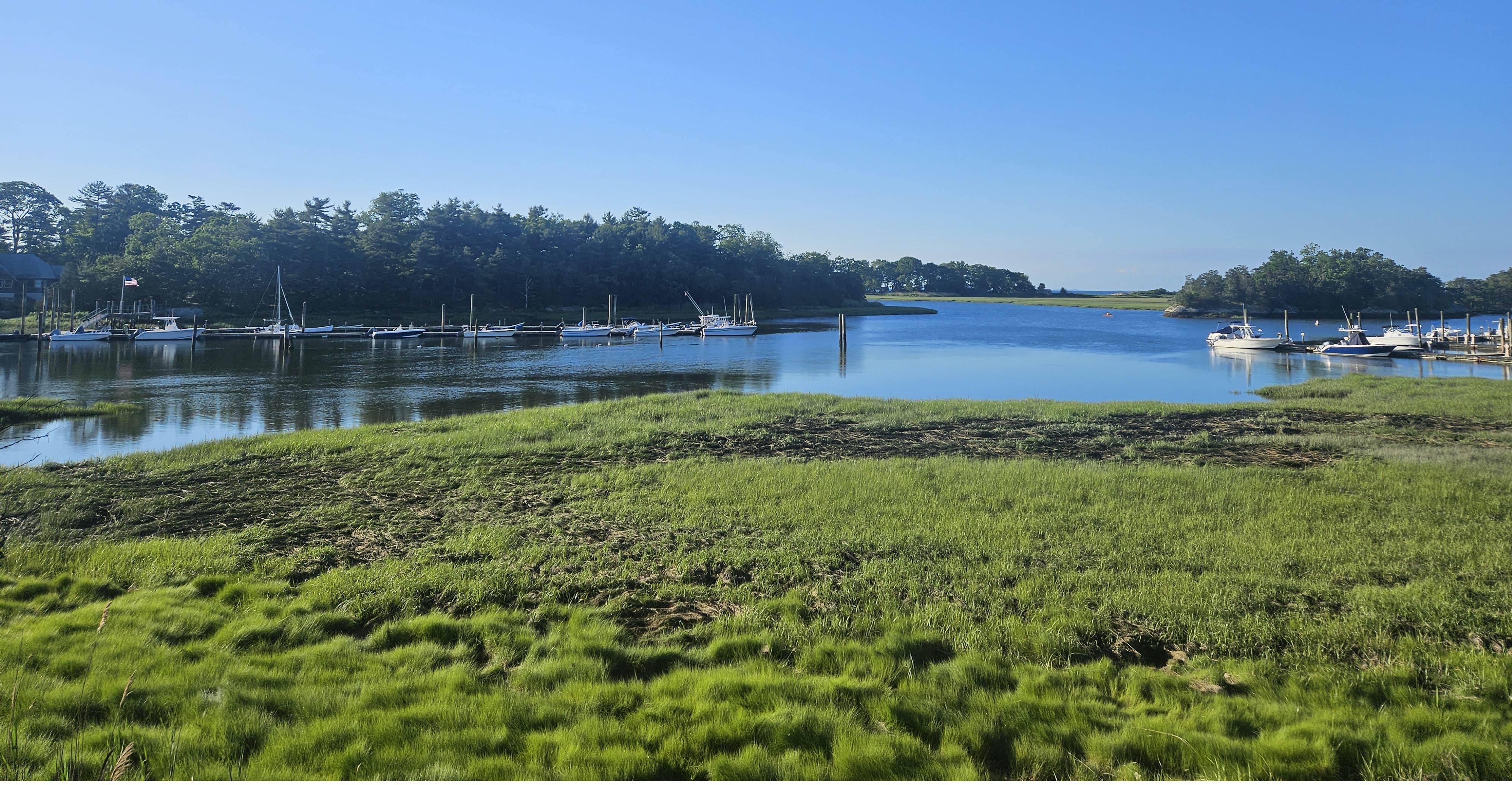
Long Island Sound, the Sound, is Connecticut’s most important natural resource. It is a critical resource for plants, animals, people, and businesses. Nearly nine million people live in the Long Island Sound watershed, including over 3.6 million in Connecticut. Boating, fishing, tourism, and swimming in the Sound are estimated to bring in about $9.4 billion every year.
The Sound covers 1,320 square miles and has more than 600 miles of coastline between New York and Connecticut. More than 150 types of fish and many birds and animals live there. The Sound is an important place for animals to eat, breed, and raise their young.
For over 30 years, Connecticut has worked hard to clean the Sound, protect wetlands, and improve habitats and resiliency. Explore and learn about Connecticut's investment to restore and maintain this special place in the resources below.
Coastal Management Program
Connecticut’s coast provides places to relax, a place to call home, supports tourism and businesses, and helps our state’s economy. We all use the coast in different ways. To keep it clean, safe, and available for future generations, we need to work together. That’s where coastal management plays a vital role—by guiding how we use the land and water along the shore.
Safeguarding our coastal resources calls for a multifaceted approach rooted in shared understanding of our coastal resources, thoughtful planning and enforcement, and partnerships that form the foundation for lasting progress.
Coastal Resources

A shared understanding of resources available as well as the status and risk those resources face is one of the key elements to working together on this critical mission. Below are several information platforms to establish that shared understanding:
Coastal Public Access Tool. A mapping tool that displays information on the available public access locations across Connecticut’s coast and the activities allowable at each.
Long Island Sound Water Quality. Connecticut DEEP’s Water Quality Monitoring Program performs an intensive year-round water quality monitoring program on Long Island Sound. The data collected are used to understand the current conditions and changes in water quality.
Tidal Wetlands. Tidal wetlands are some of the most biologically important resources in the world and have significant economic value. Learn about how tidal wetlands provide important benefits to Connecticut.
Coastal Hazards. Coastal hazards have always been an issue for Connecticut due in part to high levels of population and development along the coast. Learn about how storms, flooding, erosion, and the effects of climate change can affect Connecticut’s coast.
Coastal Planning
Coastal land use planning promotes the consistent application of the goals and policies of Connecticut's Coastal Management Act in order to maintain the compatibility of coastal uses with the protection of coastal resources. Access a variety of planning guidance, including Connecticut's Coastal Management Manual and the Long Island Sound Blue Plan.
Long Island Sound Partnership & DEEP

The Long Island Sound Partnership (LIS Partnership) is a collaborative effort involving researchers, regulators, user groups, and other concerned organizations and individuals working together to protect and improve the health of the Sound. This partnership is essential to the past and future successes to protect and improve the Sound. Connecticut’s DEEP role in this partnership includes monitoring, stewardship, habitat restoration, pollution mitigation and many other strategies.
Quick Link Access
- Long Island Sound Watershed Population
- Coastal Management
- Coastal Public Access Tool
- Long Island Sound Water Quality
- Tidal Wetlands
- Coastal Hazards
- Coastal Planning
- Connecticut's Coastal Management Manual
- Long Island Sound Blue Plan
- Long Island Sound Partnership and DEEP
Other Related Resources
Related Organizations
- EPA - Long Island Sound Partnership
- NOAA - Office of Coastal Resource Management
- US Army Corps of Engineers - New England District
- United States Geological Survey
- Department of Agriculture: Bureau of Aquaculture
Content Last Updated March, 2026