


Hard Tick Relapsing Fever (formerly Borrelia miyamotoi disease)
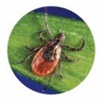
Hard tick relapsing fever, formerly known as Borrelia miyamotoi disease, is caused by a bacterium called Borrelia miyamotoi and is transmitted to people through the bites of infected Black-legged (“deer”) ticks (Ixodes scapularis). HTRF is characterized by repeated episodes of fever, headache, and muscle aches. Each episode typically lasts several days and is followed by about a week of feeling well before symptoms return. This is an emerging infection in the United States and in Connecticut. B. miyamotoi was first identified in ticks from Japan in 1995 and since then it has been identified in the Black-legged "deer" tick (Ixodes scapularis) in Connecticut. Treatment is available and is similar to that for Lyme disease. The best way to prevent illness from Borrelia miyamotoi is to prevent tick bites.
About Hard Tick Relapsing Fever (HTRF)
CDC: About Hard tick relapsing fever (HTRF)
Information for Clinicians
- Clinical Guidance (CDC)
- Connecticut Provider Reporting Information
- Connecticut Laboratory Reporting Information
- Directory of Clinical Testing Services provided by the State Public Health Laboratory
- State Public Health Laboratory Contacts – for additional information
- Tick-borne Diseases of the United States – a Reference Manual for Healthcare Providers
Connecticut Borrelia miyamotoi Surveillance
The Connecticut Department of Public Health (DPH) added Borrelia miyamotoi disease to the list of state-wide reportable diseases in 2019. State surveillance will help characterize the epidemiology, clinical spectrum, and incidence of B. miyamotoi disease in Connecticut as well as assist with the national description of disease.
Connecticut Annual Infectious Diseases Statistics
Last updated 2/17/2026