


Summary
Connecticut is home to approximately 1,840 known wildlife species and 2,338 known plant species (1,706 natives and 1,115 naturalized non-natives); however, many more species are likely to be found here. Over the last couple of years, experts across Connecticut, within CT DEEP, our conservation partners, and Tribes have evaluated all of the known species and identified 288 wildlife species and 285 plant species they consider to be Species of Greatest Conservation Need (SGCN) and 239 wildlife species and 276 plant species as State Assessment Priority Species (SAPS) due to ongoing population declines, emergent threats, cultural importance, lack of information, and other factors. These SGCN and SAPS represent approximately 29% of all wildlife species and 20% of all plant species in the state. Of Connecticut’s SGCN, 13% of populations are rapidly declining (losing between 50% and over 90% over the last 200 years), 2% are declining (10-50%), 8% are stable or increasing, and 77% have unknown long-term trends. According to taxonomic experts, over the short term (three generations), approximately 12% of Connecticut’s SGCN have populations that are rapidly declining (losing between 50% to over 90% over the last 200 years), 12% that are declining (10-50%), 10% that are stable or increasing, and 67% that are unknown or have insufficient data to decide.
This new 2025 list updates the 2015 SGCN list and now includes four additional species, totaling 573 (569 in the 2015 list). This small increase in the number of species is due to many factors, including more capacity to thoroughly evaluate and list more plants, adding 515 species to the new SAPS list (which was not part of the 2015 Wildlife Action Plan), evolving perspectives of species prioritization among conservation practitioners, intensifying threats, changes in population trajectory, and management successes. Since the 2015 revision of the Wildlife Action Plan, CT DEEP and other conservation stakeholder organizations have collaborated on numerous projects related to SGCN and its habitats. Yet, much work remains to stabilize and restore the populations of SGCN and learn more about SAPS populations within Connecticut over the next 10 years and beyond.
An Overview of Connecticut's Flora and Fauna
Despite our state’s relatively small size, Connecticut is home to approximately 1,840 known wildlife species and 2,338 known plant species, though many fungi, microorganisms, and unknown species live here, too. Many rare and endangered species occur in Connecticut, giving our state an outsized role in global, national, and regional conservation efforts. This diversity is due to the state’s range of landscapes, waterscapes, and habitats, from the coastal plain and Long Island Sound in the south to the mountains in the northwest (Dowhan and Craig, 1976; Kulik et al., 1984; Klemens, 1993; Metzler and Wagner, 1998).
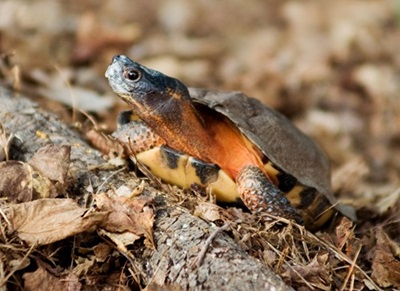
Of the species that live in Connecticut, a handful are considered globally endangered, including the Wood Turtle, Saltmarsh Sparrow, and Eastern Pearlshell, by the International Union for Conservation of Nature, and 12 species are listed under the U.S. Endangered Species Act, including the Roseate Tern, Long-eared Bat, Dwarf Wedgemussel, Puritan Tiger Beetle, Shortnose Sturgeon, Bog Turtle, and Small Whorled Pogonia. Regarding regional significance, Connecticut supports several species at the northern or southern limit of their ranges. One hundred and thirteen (113) species that live in Connecticut are considered Regional Species of Greatest Conservation Need (RSGCN) for the northeastern United States (TCI and NEFWDTC, 2023; Starking et al., 2025), and 1,089 species are listed as Species of Greatest Conservation Need (SGCN) or State Assessment Priority Species (SAPS) for Connecticut (see Table 1.1).
Table 1.1 - Conservation status of Connecticut's wildlife and plant diversity for major species groups. For each group, number of species known to occur in Connecticut (Species in CT), number of species in Connecticut that are on the 2025 list of SGCN and SAPS (SGCN and SAPS), number of species considered Regional Species of Greatest Conservation Need (RSGCN), and number of species that are listed by the U.S. Fish and Wildlife Service as Threatened or Endangered (Federally Listed) are provided.
| Species Group | Species in CT | SGCN and SAPS | RSGCN | Federally Listed |
|---|---|---|---|---|
| Amphibians and Reptiles | 50 | 35 | 13 | 3 |
| Birds | 301 | 107 | 24 | 3 |
| Fish | 126 | 46 | 34 | 2 |
| Invertebrates | 1,288 | 309 | 49 | 2 |
| Mammals | 64 | 30 | 11 | 2 |
| Plants | 2,338 | 561 | 0 | 2 |
| Totals | 4,167 | 1,088 | 113 | 14 |
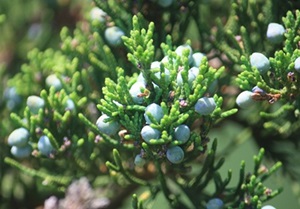
Photos on this page, top to bottom: (1) Eastern Red-Cedar (Juniperus virginiana), a State Assessment Priority Species in Connecticut. Photographed at West Rock Ridge State Park in Hamden, Connecticut, by Tyler Mahard / CT DEEP. (2) Wood Turtle (Glyptemys insculpta), a Species of Greatest Conservation Need in Connecticut; considered globally Endangered by the International Union for the Conservation of Nature. Photographed by Paul Fusco / CT DEEP.
For references and more information, view Chapter 1 of Connecticut's 2025 Wildlife Action Plan.
Content last updated on November 13, 2025.