

Species of Greatest Conservation Need
Species of Greatest Conservation Need
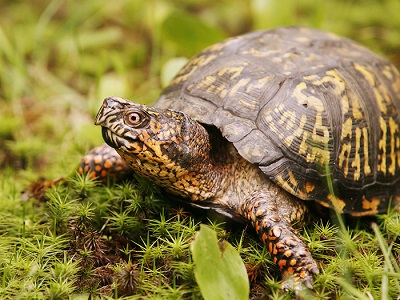
Connecticut's Wildlife Action Plan identifies Species of Greatest Conservation Need (SGCN). These are typically native species that are expected to benefit from conservation and meet one of more of the following criteria:
- state-listed as threatened or endangered;
- vulnerable to threats based on their biological or habitat needs;
- low in abundance or limited in distribution;
- currently not rare but showing declines in abundance or habitat.
Connecticut's Wildlife Action Plan has been revised for the 2025-2035 period. This involved updating the list of SGCN. Unlike previous versions, the 2025 revision also includes State Assessment Priority Species (SAPS). SAPS are species where more information is needed to understand their status, trends, level of conservation concern, and whether or not they should be classified as SGCN.
While having a status of SGCN or SAPS does not provide a species with any legal protection, these designations help focus attention on vulnerable plants and animals, catalyze research on data-deficient species, and guide conservation efforts. Ideally, strategic conservation efforts will help declining species recover before they meet criteria for being listed as threatened or endangered.
The list of SGCN and SAPS for the 2025 revision was developed based on recommendations from Connecticut’s top wildlife and plant experts. We collected public input on that draft list during spring 2024. Thank you to everyone who provided input! The list has since been finalized. The updated list of SGCN and SAPS contains a total of 1,088 species. These include 561 plant, 309 invertebrate, 47 fish, 17 amphibian, 18 reptile, 107 bird, and 30 mammal species. These species have each been assigned a ranking (important, very important, or most important) to help prioritize conservation and research. You may view or download the updated lists of SGCN and SAPS and their rankings as a PDF document or Excel spreadsheet.
View Connecticut's 2025 Wildlife Action Plan.
Content last updated on November 10, 2025.