

Brownfields Success Stories
Brownfields Success Stories
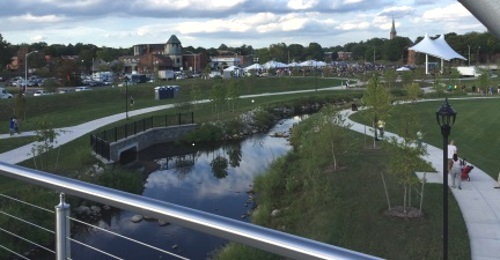
Brownfields are a legacy of our past industrial ingenuity and key to Connecticut’s future. Today the same Yankee ingenuity and entrepreneurial spirit is helping Connecticut transform brownfields from burdens to significant assets to their communities, frequently making the communities healthier and more walkable. Since brownfields are typically situated in areas with significant investments in existing infrastructure – including water, waste water, transportation, housing, and energy - brownfields redevelopment lessens development pressure on our precious open space.
Connecticut's innovative liability relief tools help manage the legal, financial, and liability risks associated with redeveloping brownfields. From 2011 to 2016 Connecticut invested more than $173 million in grants and loans for the cleanup and redevelopment of brownfields in cities and towns across Connecticut. Examples include:
Central Connecticut
- Chestnut/Edwards Community Gardens, Hartford
- Metro Center Shopping Center, Hartford
- Goodwin College Riverfront Campus, East Hartford
- former dry cleaner, New Britain - various sites including a New Britain site
- The HUB, Meriden
Naugatuck Valley
- Shelton Life: Brownfields Success in Shelton
- Farmer's Market, Shelton
- Brownfields Development and Local Agriculture - various sites including a Shelton site
- Naugatuck Valley Brownfields Pilot - various sites various towns in the Naugatuck Valley
- Southend Greenhouses, Waterbury
Southwest Connecticut
- Brownfields Pilot Assessment Project, various sites in Bridgeport
- Bridgeport's Restored Gateway - various sites in Bridgeport
- 1558 Barnum Avenue, Bridgeport
- Seaview Industrial Park, Bridgeport
- Brownfields to Greenspace - various sites, including one in Bridgeport
- Harley Davidson, Stamford
Southeast Connecticut
Northwest Connecticut
New Haven Area
Keys to Success
- PREPARED Municipal Workbook webpage
- Connecticut Department of Economic and Community Development Success Stories
Please note: some of the links within the EPA documents no longer work correctly.
Last updated April 23, 2021