

Authentic Family Engagement

"It was nice to connect with families in a non-academic setting. Time to talk during dinner provided a space to allow families to make connections with each other. One 5th grade student who has been chronically absent came with his mother. He was excited to have the attention of his teachers, who were in attendance, and he was even eager to share his story aloud. This was a level of engagement not seen in class."
—Teacher from the Family Literacy Nights team at Momauguin Elementary in East Haven
One of the critical conditions in Connecticut’s K-3 Literacy Strategy is building authentic family engagement and whole family literacy well-being. As equal partners, educators and families work together with a shared goal of supporting students' literacy growth and development. According to Learning Heroes, two essential components of a successful family-school partnership are active listening and trust. Families should be encouraged to actively engage in their child’s learning and share their insights about their child as they are the expert. Building trust with families takes time and works best when classroom teachers are supported by their district leaders and school administrators.
Research shows that 87% of parents report wanting direct and truthful communication about their child’s performance, even if things aren’t going well.
Districts and schools that collaborate with the community to support the whole family often see greater gains in student literacy achievement. Family well-being acknowledges families’ unique histories and experiences; it intentionally and simultaneously focuses on opportunities and services not only for the child, but also for the adults in their life. For example, after-school tutoring might be provided to help students reach their reading goals and to teach their guardians valuable job skills. Children learn the value of education by learning with their families and seeing their parents and caregivers achieve. This approach to family well-being is an important step to help close historically persistent opportunity gaps. The Center encourages districts and schools to include family literacy well-being goals in their district and school literacy plans.
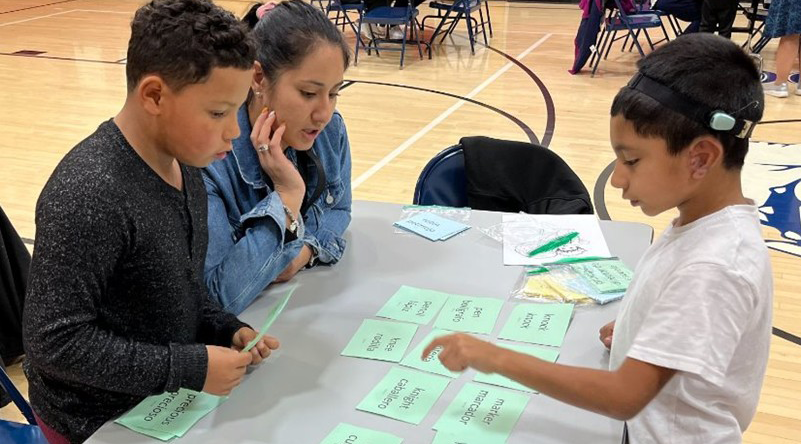

The actions below are positive steps schools can take to build family engagement and whole family well-being in literacy:
- engage families as experts and identify their needs and goals;
- build family well-being by working with students and their families together;
- support the family’s role in literacy development and connect families to evidence-aligned literacy approaches;
- ensure two-way communication for a shared vision of goals and literacy;
- focus on addressing the needs of the whole family unit and understanding their multiple dimensions;
- foster meaningful relationships and build formal and informal networks of support;
- invest in resources to support family engagement and whole family well-being; and
- coordinate literacy instruction and ensure families receive regular updates of student literacy progress.
What resources can I offer to families for building literacy skills at home?
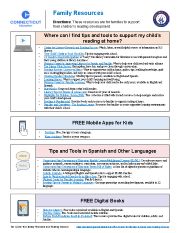
Family Resources Playlist
A comprehensive resource to share with parents. Click on one, two, several, or all these links for fun ways to build literacy skills at home.
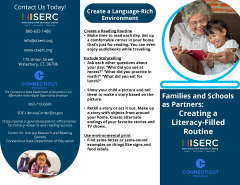
Creating a Literacy-Filled Routine
This brochure lists simple activities that families can use in their daily lives to boost their child’s literacy skills, including while reading or having screen time. It also provides free and accessible resources for finding books, ebooks, audiobooks, and online educational games and activities.
How can I communicate with families about their child’s work in my K–3 classroom during parent-teacher conferences?
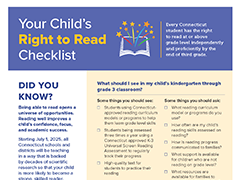
Your Child's Right to Read Checklist
Use this checklist to help prepare for conferences or send it home before the conference to let parents know what to expect.