


Asthma Triggers
KNOW ABOUT ASTHMA TRIGGERS
Find additional information about triggers by visiting the EPA site
By spending a lot of time indoors, people with asthma are exposed to allergens and irritants that can trigger symptoms of asthma. Triggers are things that can cause asthma symptoms, an episode or attack or make asthma worse. If you have asthma, you may react to just one trigger or you may find that several things act as triggers.
Be sure to work with a doctor to identify triggers and develop a treatment plan that includes ways to reduce exposures to your asthma triggers.
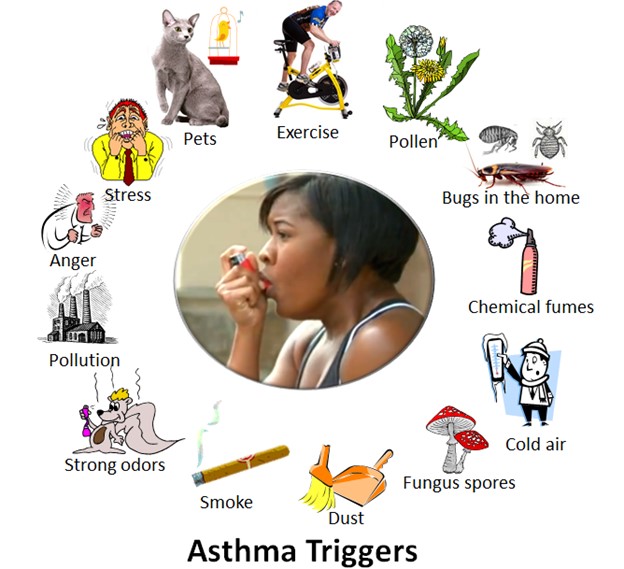
TAKE ACTIONS TO REDUCE YOUR EXPOSURES TO TRIGGERS
RESPIRATORY INFECTIONS: COLDS & FLU
- If you have a respiratory infection, follow your Asthma Action Plan
- Reduce your exposure to colds and flu by washing your hands frequently & avoid touching your face
- Get your annual flu vaccine and update COVID-19 vaccine
- Stay away from people who are sick or wear a mask
SECONDHAND SMOKE
- Don’t allow people to use tobacco (smoking, e-cigarettes) in your car and home
- Encourage family members to quit smoking
- CALL Quitline 1-800-QUIT-NOW (1-800-784-8669)
POLLEN: lands on you, your car, and your home
- Cover your hair when outside
- Close the windows
- Take off your shoes inside
- Shower before bed
MOLD
- Clean mold with soapy water
- Repair sources of moisture, plumbing in kitchen and bathroom and overwatered plants
- Turn on the exhaust fans when bathing and cooking
- Keep indoor humidity between 30%-50%
- Use indoor dehumidifiers and air conditioners
DUST MITES: Dust mites are found in bedding, mattress, soft and stuffed toys, upholstered furniture, carpets
- Wash bed sheets weekly
- Use covers for pillows and mattresses
- Use damp or microfiber cloths to remove dust
- Use a vacuum with HEPA filter
- Choose stuffed toys that can be washed in hot water
CHEMICAL IRRITANTS: Products for cleaning, disinfection, air fresheners and aerosol sprays
- Use alternative cleaning products in place of toxic chemicals
- To learn more: Non-toxic cleaning recipes
- Use exhaust fans installed over gas stoves and vented outdoors to reduce exposure to Nitrogen Dioxide (NO2), a toxic gas that is an irritant to airways.
- Never use a gas stove to warm up living areas.
PET DANDER
- Do not allow pets in your home if you are allergic
- Keep pets from sleeping areas and upholstered furniture
- Vacuum with an HEPA filter frequently to reduce pet dander
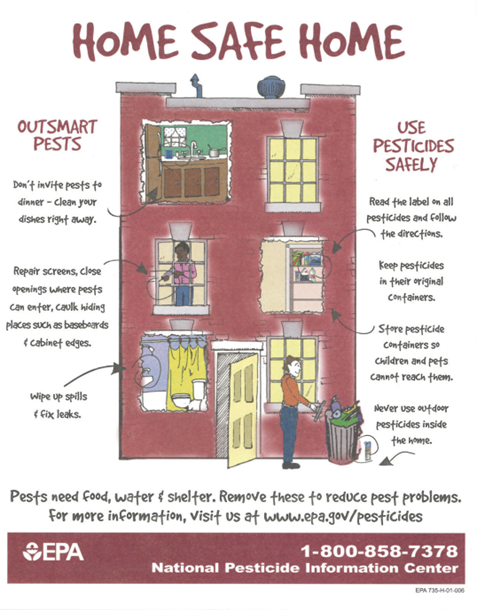
COCKROACHES & RODENTS
- Avoid piling dirty dishes, newspapers and laundry
- Fix water leaks in kitchen and bathroom
- Vacuum areas where food crumbs can be found
- To reduce exposure to pests, it is key to eliminate their access to food and water.
- Store food in airtight containers
- Repair holes, cracks in walls, windows, screens; seal with caulk, steel wool, copper mesh.
- If homeowner: Contact a Connecticut licensed professional pest control service
- If tenant: Promptly notify (verbally and in writing) the landlord or property management
Pest Control Information for residents in multi-family housing
(Sources: AAFA, EPA)
OTHER ASTHMA TRIGGERS include acid reflux, certain foods and medicines, physical activity, cold air, strong emotions.
For information on any of the following, click on the topic
- Gastroesophageal Reflux and asthma
- Foods can affect asthma
- Medications that may trigger asthma symptoms
- Exercise-induced asthma
- Weather as an asthma trigger
- Strong emotions as an asthma trigger
Recommended resources:
1. Controlling Air Pollutants in Multi-Unit Housing
2.Controlar los contaminantes del aire en viviendas multifamiliares
Return to the Asthma main webpage.
This page was updated on May 2025.