


What's New

What’s New
Downy mildew is particularly destructive under moist conditions and cool nights--just the weather we have recently been having throughout the state.
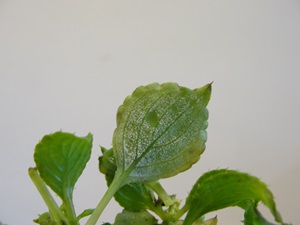
Impatiens downy mildew--note stunted plants with distorted leaves.
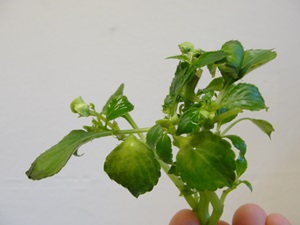
Subtle chlorosis and twisting of leaves of impatiens with downy mildew.
Any suspicious impatiens samples should be sent or brought to The Plant Disease Information Office for examination and diagnosis as soon as possible.
IF downy mildew is diagnosed on your plants, all infected plants should be dug (roots included) and placed into municipal trash, when acceptable. Infected plants should not be composted.
If you have any concerns or want more information about this destructive disease, please call The Plant Disease Information Office at 203.974.8601.
Late blight was confirmed in Franklin County, MA on tomato on 11 July 2013 and in Erie County, NY on tomato on 10 July 2013. The recent weather has been very favorite for this disease of tomato and potato, so it is important to scout for this destructive disease. It is very important for commercial growers and home gardeners to be on the lookout for late blight in their fields and community or backyard gardens. Information on this important disease can be found in the fact sheet Late Blight of Tomato and Potato in Connecticut--2012
Any suspicious tomato or potato samples should be sent or brought to The Plant Disease Information Office for examination and diagnosis as soon as possible.