

Connecticut Project to Prevent Opioid Overdose Deaths (PDO) Program
The goal of the Connecticut Project to Prevent Opioid Overdose Deaths (PDO) program is to reduce the number of prescription drug/opioid overdose-related deaths and adverse events among individuals 18 years of age and older by:
-
training first responders and other key community sectors on the prevention of prescription drug/opioid overdose-related deaths and
-
implementing secondary prevention strategies, including the purchase and distribution of naloxone to first responders.
The PDO program is focused on building state and community capacity by building on the state’s prevention infrastructure to intervene in and respond to the ongoing opioid overdose epidemic in Connecticut.
Leave Behind Kits
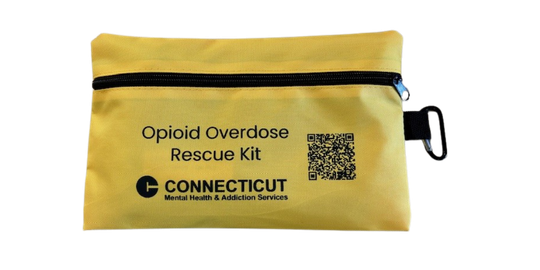
Opioid Overdose Rescue Kits are available for first responders to be left with either the survivor of an overdose, their family member, caregiver, roommate, or bystander. The kits contain a personal supply of naloxone and information on opioids, how to administer naloxone, and referrals to treatment and recovery resources. The kits are available through the five Regional Behavioral Health Action Organizations (RBHAOs).
RBHAO Resource Guides
Region 1 – Catalyst CT/The Hub:Resource Library | Catalyst CT
Region 2 – Alliance for Prevention & Wellness (APW) a Program of BHCare: Alliance for Prevention and Wellness | Home Page
Region 3 – SERAC: SERAC | Resource Guide
Region 4 – Amplify, Inc.: Resources | Amplify
Region 5 – Western CT Coalition (WCTC): Resources | Western CT Coalition
TRAIN Connecticut
TRAIN Connecticut is a free service of the Public Health Foundation and offers an excellent learning resource for public health professionals, including the First Responder Opioid Response Training series and regional trainings.
PDO ToT Evaluation Report
The Center for Prevention Evaluation & Statistics (CPES) at UConn Health has compiled an Evaluation Report on the PDO Training-of-Trainers (ToT) Program.
Naloxone
If you are an organization seeking life-saving naloxone to distribute, please contact Karolina Wytrykowska at Karolina.Wytrykowska@ct.gov or visit the Opioid Services page for more information.
Naloxone Study
The Center for Prevention Evaluation & Statistics (CPES) at UConn Health has created a Data Brief on the impact of the PDO program on Connecticut First Responders' access and awareness as it relates to Naloxone.
Support for Use of Naloxone and Other Opioid Overdose Reversal Medications to Prevent Overdose Deaths – SAMHSA
Grants to Prevent Prescription Drug and Opioid Overdose-Related Deaths and the First Responders—Comprehensive Addiction and Recovery Act program data sheet.
For more information, contact: Ramona Anderson, Project Coordinator ramona.anderson@ct.gov