What's New

What’s New
April 2003
Winter-RElated Problems with Evergreens
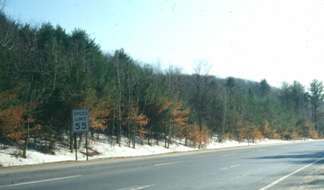
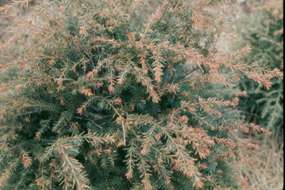
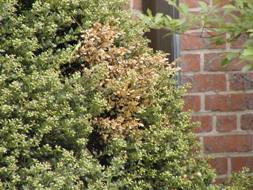
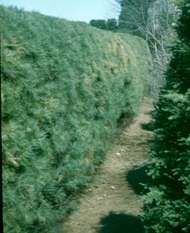
This winter’s weather has been conducive for problems on needled and broadleaved evergreens and symptoms are beginning to show up throughout Connecticut. Several key factors contributing to plant injury this year are desiccation, unusually cold temperatures, and de-icing salts. Desiccation or excessive drying is common after windy or sunny days during the winter. These conditions create a water deficit because water lost by leaves or needles is not replaced since roots can’t take up water from cold or frozen soil. This winter we had several weeks of extremely cold temperatures. These conditions can damage flower and shoot buds on many woody plants but the extent of the damage will not become evident until the plants begin to grow in spring. This winter’s unusually high snowfall levels resulted in extensive use of de-icing salts. De-icing salts cause damage through direct contact of salt solutions with plant foliage ("spray zone" injury) and through chemical and physical modification of the soil as a result of accumulating salt and uptake of salt ions by plant roots. Symptoms associated with these factors are quite variable and depend upon the plant. For example, needles of hemlock and pine are turning brown and leaves of rhododendron and mountain laurel are developing marginal and tip necrosis. More detailed information about how damage occurs and on how to minimize the effects of this important environmental stress can be found in the fact sheet Winter Injury on Woody Ornamentals.